
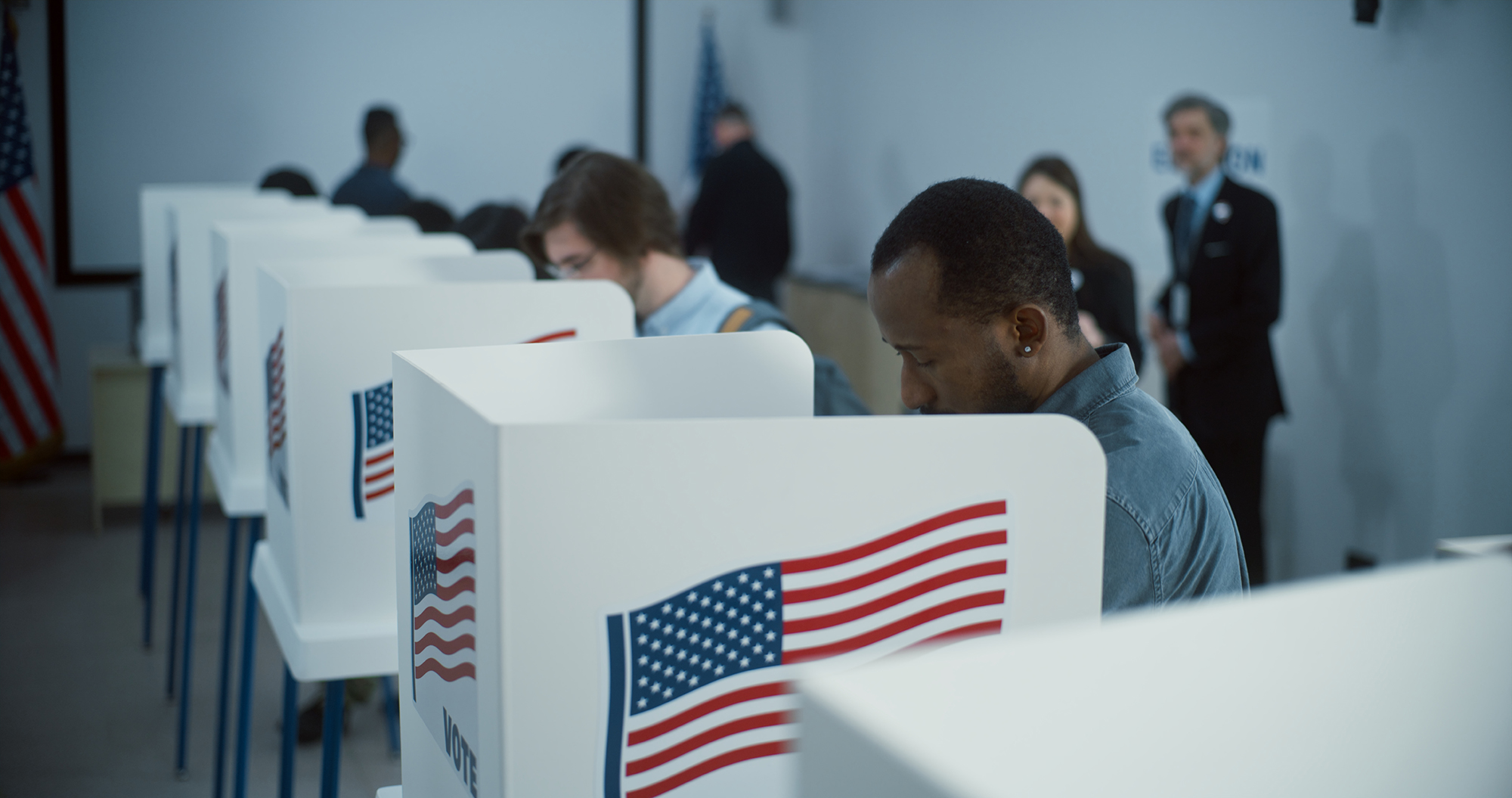
A legislative study group charged with examining the effects of moving elections in Virginia to even-numbered years has begun the second year of its work, holding meetings on July 16 and July 21 ahead of a planned final meeting on August 3. The Joint Subcommittee to Study the Consolidation and Scheduling of General Elections was created through legislation enacted in the 2025 General Assembly session and directed to undertake a two-year study of the effects of consolidating state and/or local elections with the federal election cycle. The legislation directing the study charges the group with examining the effects on voter turnout and campaign costs, implications for campaign finance rules, and potential cost savings, among other elements, and requires recommendations to include specific proposals for how such consolidation would be accomplished, such as extending or shortening the terms of certain offices to coincide with a different election cycle, and any statutory and Constitutional changes that may be necessary. Chesterfield County Supervisor Jessica Schneider serves on the Joint Subcommittee.
The Joint Subcommittee’s meetings in 2025 featured briefings on the history of Virginia’s “off-year” elections; the Constitutional and statutory changes that would be necessary to transition to holding elections in even-numbered years; differences in federal and state campaign finance laws; perspectives from local governments and general registrars on the effects of holding fewer elections on local budgets and local election administration; and the interaction of Virginia’s gubernatorial election schedule with the state’s biennial budget cycle.
Subcommittee members discussed a wide range of issues during the four meetings held last year, including the national interest in Virginia’s statewide elections under the current schedule and whether Virginia elections would be more or less nationalized if they were held concurrently with federal elections; whether such a change would benefit one party or the other; whether consolidating elections would promote voter turnout and a more representative electorate; whether consolidating elections would lead to federal laws and regulations for the conduct of federal elections overshadowing Virginia-specific laws; and whether consolidating elections would reduce or increase the influence of money in Virginia politics. VACo reported on these meetings in previous editions of County Connections (recap articles may be found at this link and this link).
Joint Subcommittee meetings this year are intended to be focused on discussing specific measures to implement consolidation. At the July 16 meeting, representatives from the Karsh Institute of Democracy at the University of Virginia presented findings from their research on a variety of issues associated with consolidation. The researchers found that consolidating elections would lead to greater voter turnout, particularly among young adults, minorities, and low-income voters, and reported that a majority of respondents to a survey conducted by the researchers supported consolidation. On the other hand, the report notes that consolidation could also encourage nationalization of state and local elections by “dilut[ing] focus and attention on local issues.” Stakeholders interviewed by the researchers held varying views on the merits of consolidation, but consistently stressed the importance of outreach to voters if consolidation moved forward.
At the Subcommittee’s July 21 meeting, members discussed two proposed approaches to Constitutional amendment language that would start the process of consolidation. After discussing the merits and drawbacks of including more detailed language in the Constitution or relying more heavily on statutory changes, members opted to advance the more detailed proposed language as a basis for discussion at the Subcommittee’s next meeting on August 3, which will also feature discussion about proposed statutory changes. The draft that will be discussed further on August 3 would require elections for the governing body of any county, city, or town to be held in November of even-numbered years. It would also set out a timeline for transitioning the House of Delegates, state Senate, Governor, Lieutenant Governor, Attorney General, and certain Constitutional offices to even-year elections, which will require shortening or lengthening terms by one year. Whether to propose shortening or lengthening terms, and how to address the variety of local governing body structures in adjusting terms, will be topics of discussion for the August 3 meeting.
VACo Contact: Katie Boyle