
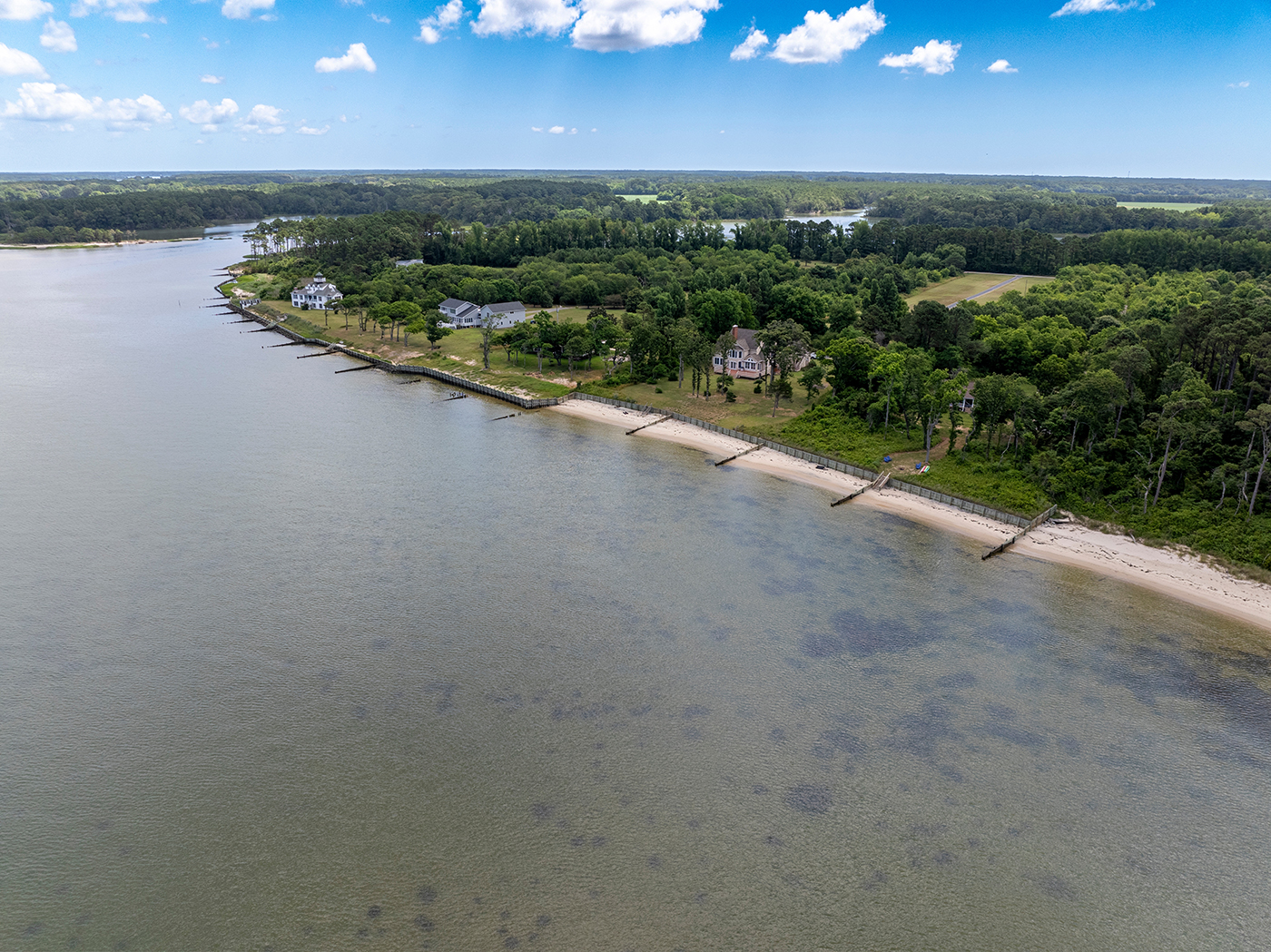
A draft of the Virginia Coastal Resilience Master Plan, Phase II is now available for review and comment.
The public comment period is open from May 4-June 3. To provide comment on the draft of the Phase II plan, please visit the Virginia Town Hall.
The final CRMP will be released in the Fall of 2026 following the review and consideration of public comments.
What’s in the plan?
The CRMP is designed to provide data, tools, and information to help Virginia’s governments make more informed decisions for flood resilience. Through a PDF plan and the Coastal Resilience Web Explorer, it provides the Commonwealth with a comprehensive and unified baseline analysis of the threat of increasing flood exposure and impacts. The CRMP Phase II will include anticipated impacts from coastal, riverine, and rainfall-driven flooding.
In addition, the plan identifies opportunities to prioritize impactful flood resilience solutions. This includes:
- An inventory of government-led or supported projects and initiatives across the coastal region, which can be viewed via the Coastal Resilience Web Explorer.
- Information about financing flood resilience, including an inventory of funding opportunities which can be viewed via the Coastal Resilience Web Explorer.
- Recommendations for next steps to address flood resilience developed by the Coastal Resilience Technical Advisory Committee.
How is the plan developed?
Development of the CRMP Phase II is a collaborative process led by DCR which involves consulting teams, the Coastal Resilience Technical Advisory Committee (TAC) and other external stakeholders. DCR has contracted with consulting teams led by Dewberry and Stantec to develop the CRMP Phase II, including for modeling future flooding, identifying flooding impacts, and identifying flood resilience opportunities.
What’s different from Phase 1?
The Coastal Resilience Master Plan Phase I was released in 2021. The plan presented information about the future of coastal flooding In Virginia, including sea level rise, storm surge, and the resulting change in floodplains. However, it did not Include other flood sources, like rainfall-driven flooding and riverine flooding. Phase II updates are primarily focused on including additional sources of flooding.
In addition, other elements of the Phase II plan, including the projects and initiatives inventory, financing and funding information, and TAC subcommittee recommendations, have been updated.
VACo Contact: James Hutzler