
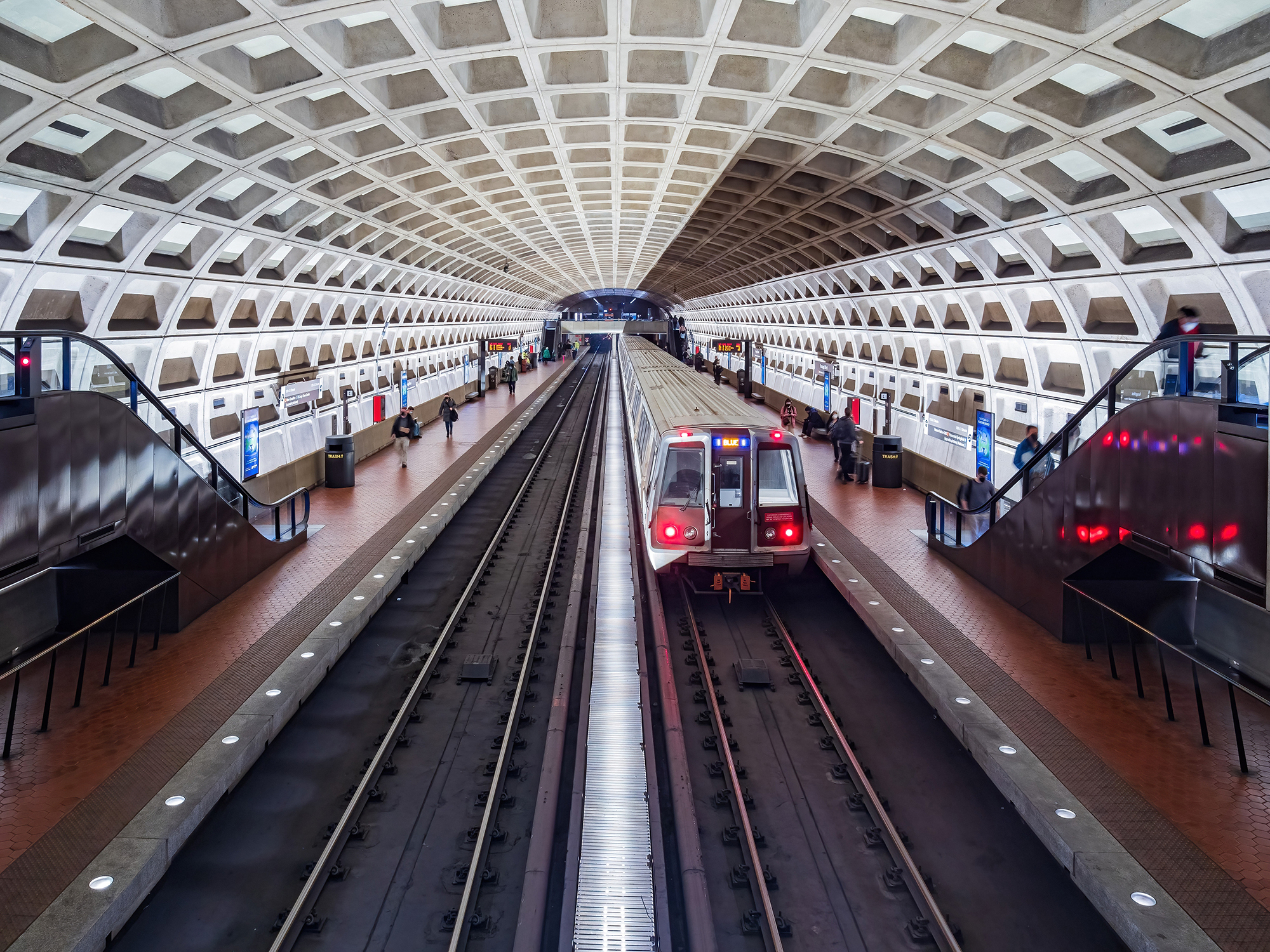
In 2024, the Virginia General Assembly established a Joint Subcommittee through Senate Joint Resolution 28 (SJ 28) to study long-term, sustainable funding sources and cost-containment strategies for public transit agencies in Northern Virginia, including the Washington Metropolitan Area Transit Authority (WMATA), the Virginia Railway Express (VRE), and the bus systems that serve the Northern Virginia Transportation Commission (NVTC) and Potomac and Rappahannock Transportation Commission (PRTC) transportation districts.
The Subcommittee, chaired by Senator Adam Ebbin with Delegate Mark Sickles as vice-chair, held its last meeting in early November 2025. At the conclusion of this meeting, the Subcommittee adopted a resolution outlining multiple recommendations for the General Assembly to consider regarding the public transit needs of Northern Virginia and the Commonwealth.
Immediate and Long-Term Funding Needs

Beginning in FY 27, the Subcommittee identified a need of approximately $153 million for Virginia’s share of the WMATA operating subsidy. The Subcommittee recommends that WMATA’s operating needs should be met with statewide sources of funding while capital needs should be met with regional sources to protect bondability.
Starting in FY 28, the Subcommittee identified a long-term funding need of $400 million in additional funding annually to maintain current service levels and state of good repair across Northern Virginia transit systems. According to the group, any additional funding should grow with inflation (around 3% annually) and in the case of VRE and WMATA, be bondable.
The Subcommittee did not endorse any specific revenue source to use for the funding need and instead highlighted many different options and combinations of options for the General Assembly to consider. The group stated that there should be regional and statewide funds that contribute to the solution. It is important to note that the Subcommittee did recommend, as it pertains to statewide funding solutions, authorizing additional revenues to the Commonwealth Transportation Fund (CTF) and/or the Commonwealth Mass Transit Fund (CMTF). This would provide additional statewide funding not only for the transit agencies identified in this study but would benefit all public transit agencies in the Commonwealth. 15 revenue source options were evaluated by the Subcommittee including:
- Highway use fee
- Retail delivery fee
- Transportation Network Companies (Uber/Lyft) sales tax
- Motor vehicles sales tax
- Taxes of motor fuel
- Transient occupancy tax
- Retail sales and use tax
To view estimated revenues of all the potential revenue sources please click here. (note that tolling I-66 inside the beltway was unable to be estimated).
Regional Funding Recommendations
The Subcommittee recommends establishing a PRTC regional transit fund as well as an NVTC regional transit fund. The PRTC fund would support VRE and the PRTC/OmniRide bus system while the NVTC fund would support WMATA, VRE and NVTC local bus systems. Furthermore regarding these regional funds, the Subcommittee recommends that the General Assembly should accept the JLARC Study recommendation to establish regional surcharges on the highway use fee and mileage-based user fee for the NVTC and PRTC Districts. The recommendations mention that the General Assembly could also consider how the establishment of regional surcharges in other parts of the Commonwealth could benefit transit needs in those districts as well.
Other Recommendations
Other recommendations of the Subcommittee include the General Assembly supporting the WMATA accountability and transparency measures adopted by DMVMoves, which require WMATA to produce and make public:
- a 20-year, conceptual capital plan every five years, which will include an analysis of capital investments and other opportunities to be more cost efficient,
- a funding/financial plan for major projects with a capital cost greater than $300 million (adjusted for inflation), and
- an annual report on the performance of WMATA and its capital program, actual prior-year and anticipated next-year cost savings and cost efficiency efforts, and the use and outcomes of additional dedicated funding.
Lastly, the Subcommittee recommends the General Assembly should reform Virginia’s legislated three percent operating assistance growth cap to encourage WMATA to continue cost containment efforts while ensuring a cap does not negatively impact service improvements, funding transparency, accountability, and the application of WMATA’s subsidy allocation formulas.
VACo expects legislation to be brought during the upcoming General Assembly session that incorporates many of the recommendations of the SJ 28 Subcommittee. VACo will be sure to track and report on any proposed legislation throughout the Session. To view all documents related to the SJ 28 joint Subcommittee, please click here.
VACo Contact: James Hutzler